Key Takeaways
- Couples therapy / marriage counseling is a structured process with a licensed clinician, not just a conversation with a neutral third party.
- Most couples attend weekly or biweekly sessions for 8-20 sessions, depending on the issues involved.
- The approach works for couples in crisis and for couples who are stable but want a stronger foundation.
- Common focus areas include communication patterns, trust repair, conflict cycles, and decision-making around major life changes.
- Therapy does not require both partners to agree on everything going in; it requires both partners willing to show up and participate.
When you and your partner keep having the same argument in different clothes, it is worth asking whether you need a referee or a different set of tools. Couples therapy / marriage counseling exists for exactly that moment: not just for relationships in freefall, but for two people who sense a pattern they cannot talk their way out of alone. A crisis is not a prerequisite. A structured conversation with someone trained to notice what you cannot see from inside the argument helps relationships at every stage.
This guide walks through what actually happens in sessions, who seeks this kind of support, and how to tell if it fits your situation right now. It also covers timelines, cost, and what changes when infidelity or a major breach of trust is the reason a couple walks in the door.
What happens in a typical session
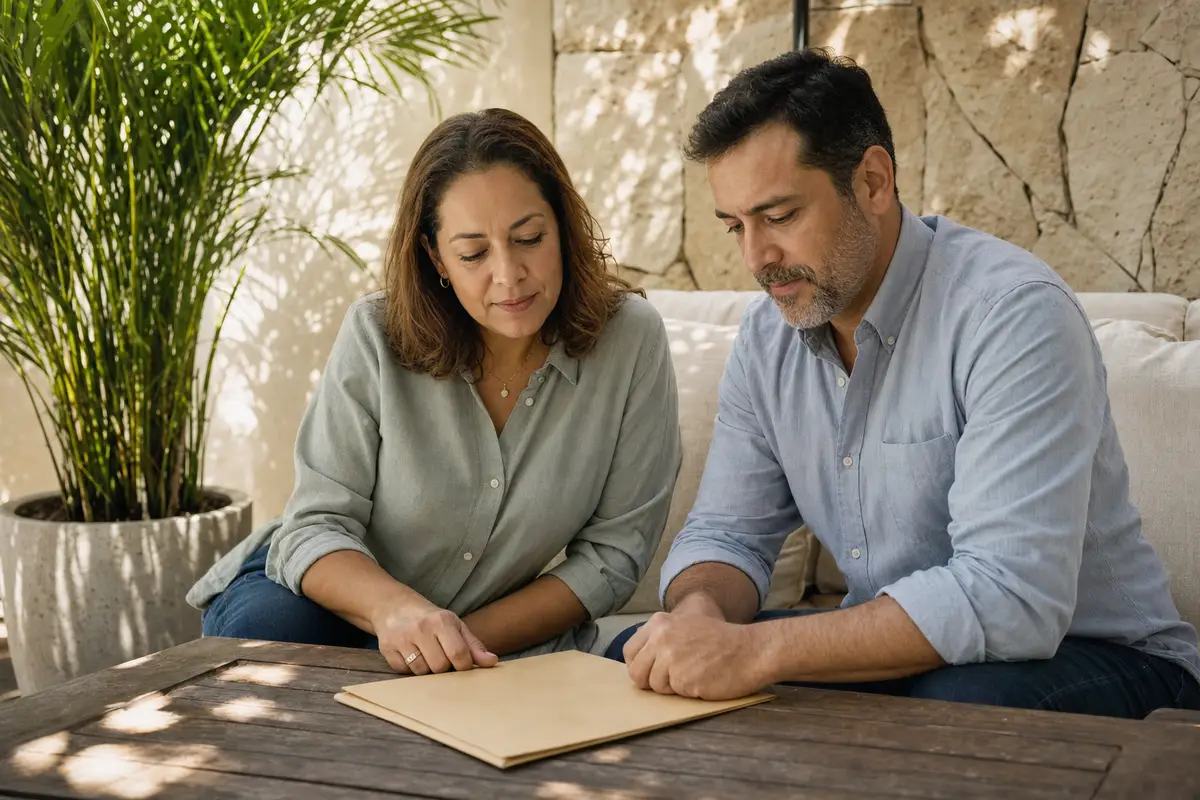
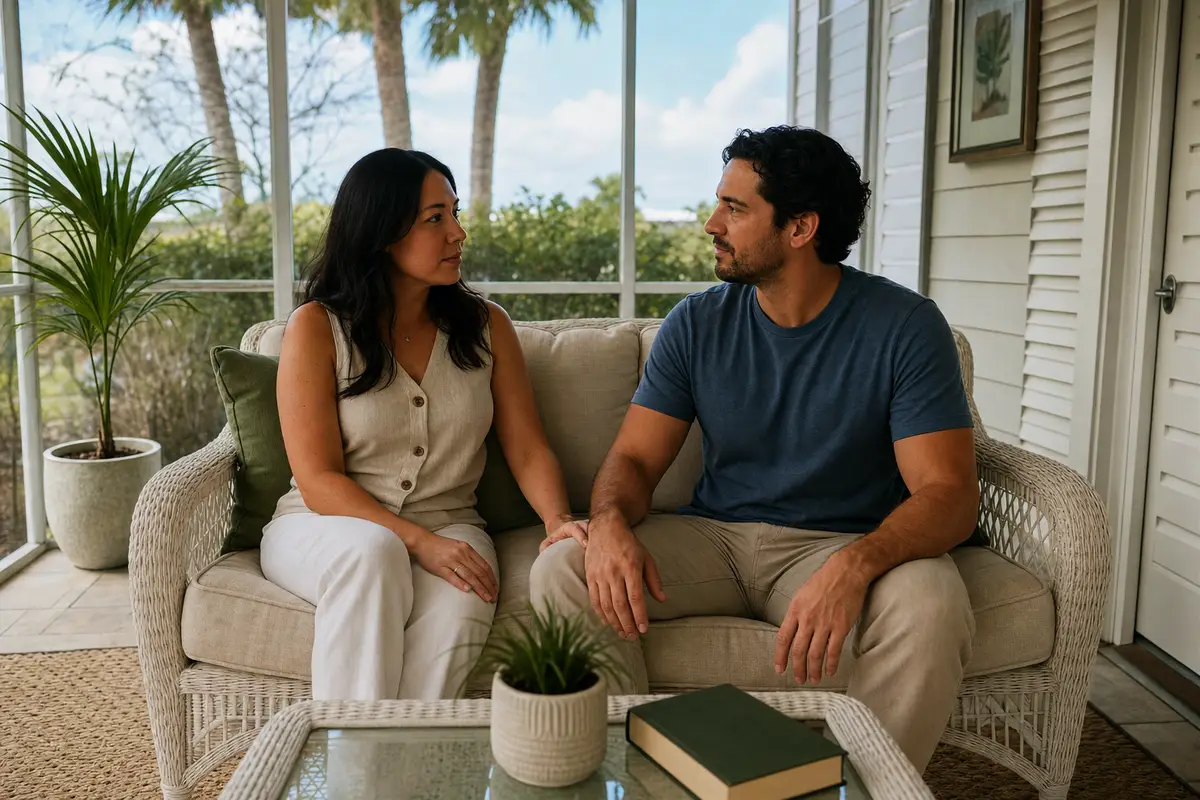
A session usually runs 45 to 60 minutes and starts with the clinician asking each partner what brought them in, usually within the same conversation so each person gets uninterrupted time to speak. Early sessions focus on gathering history: how the couple met, what has changed, what the recurring friction points are. The clinician is not a judge assigning blame; the job is to map the pattern both partners are stuck in.
After the first one or two sessions, work shifts toward practice. A clinician slows down a real disagreement in real time, pointing out the moment one partner shuts down or the other escalates. This is different from a casual conversation at home because someone is actively naming the mechanics of the exchange as they happen. Many couples say this is the first time they have seen their own pattern from the outside, rather than living inside it.
Homework between sessions is common: a specific conversation to have, a check-in structure to try, or simply noticing when a known trigger shows up. None of this depends on both partners agreeing on the underlying issue. It depends on both partners being willing to try a different process, even when one partner is more skeptical than the other at the start.
How long does it take, and how often do couples meet
Most couples meet weekly, at least at the start, because the skills being practiced need repetition to stick. A couple working through a specific rupture, like a breach of trust, needs a more concentrated pace early on, sometimes twice a week for the first several weeks before tapering to a weekly rhythm. For a closer look at the arc of a comparable structured process, see what to expect in premarital counseling, which covers similar session mechanics for couples preparing to marry.
Total length varies by what brought the couple in. A couple working on communication habits often completes meaningful work in 8 to 12 sessions, with visible shifts in how arguments unfold by the midpoint. A couple recovering from infidelity or working through a long-standing trust rupture needs longer, sometimes 6 months to a year of regular sessions, because rebuilding reliability takes repeated evidence over time, not a single breakthrough conversation. Neither timeline is a verdict on the relationship’s health; it reflects the depth of the pattern being unwound. If you are weighing a related but distinct question, how session count compares for pre-wedding work, how long does premarital counseling take breaks down that separate but adjacent timeline.
Signs it’s time to start
Couples wait longer than they should before reaching out, usually because they assume things will level out on their own or because asking for help feels like an admission of failure. Neither is true. A few signals that it is time:
- The same argument repeats with no new resolution, just exhaustion.
- One or both partners have started keeping score, or withdrawing from shared decisions.
- A specific event (an affair, a major financial disagreement, a loss) has created a rift neither partner can talk through alone.
- Conversations about the relationship itself feel too dangerous to start.
If you are not yet in crisis but sense friction building, the earlier guide when to start premarital counseling addresses a parallel question for couples who have not married yet, and the same logic about timing applies broadly: earlier intervention is almost always easier than later intervention, both practically and emotionally.
Is couples therapy / marriage counseling worth it for every relationship
Couples therapy / marriage counseling is not reserved for relationships on the edge of ending. Many couples who attend are stable, functioning, and simply want sharper tools for conflict, better alignment on major decisions, or a space to process something specific, like a career change, a move, or the arrival of a child. The process works the same way regardless of where the relationship currently stands; the clinician responds to what the couple brings, not a crisis protocol applied by default.
For couples who are engaged rather than married, a related but distinct version of this work exists. If you are trying to understand how that fits your situation, what is premarital counseling and is premarital counseling necessary answer the version of this question aimed at couples before the wedding, not couples already managing years of shared history.
What gets discussed
Session content depends on what each couple brings, but common recurring topics include:
- Communication patterns, especially how disagreements escalate or get avoided.
- Trust and honesty, including past breaches and current transparency.
- Roles and division of labor, financial decisions, and parenting approaches.
- Intimacy, both emotional and physical, and how it has shifted over time.
- Individual stressors (work, family of origin, mental health) that spill into the relationship.
For couples specifically preparing for marriage rather than already in it, what is discussed in premarital counseling and what do you talk about in premarital counseling outline the version of this list tailored to pre-wedding conversations, which overlaps but is not identical.
What if infidelity or a major breach of trust is the reason
When infidelity is the reason a couple seeks help, the process looks different from general communication work. The first phase centers on stabilizing the relationship, meaning both partners agree to a period of transparency and structure before deeper repair work begins. Rebuilding trust after a breach is not a single conversation; it is a sequence, and most clinicians will not rush a couple past the stabilization phase because doing so produces shallow, temporary repair rather than real change.
This stabilization phase typically involves agreed-upon transparency around communication and whereabouts, direct conversations about what led to the breach, and a shared understanding of what repair will require from each partner. It is slower than most couples expect, and that pace is deliberate. If this is your situation, infidelity counseling addresses this specific process in more depth, including what the early sessions typically involve and how long meaningful repair takes. Some couples, after this work, find that separation is still the outcome; in that case, divorce counseling describes a different but related process focused on ending a relationship with less damage rather than repairing it.
How much does it cost and does insurance cover it
Cost varies by clinician, location, and format (in-person versus video), and many practices offer a sliding scale or accept insurance for sessions coded as mental health treatment. Couples therapy / marriage counseling is sometimes covered when one partner has a diagnosable condition like anxiety or depression that the relationship work addresses directly, though coverage rules vary by plan and this is worth confirming before the first session.
For the adjacent question of premarital work specifically, is premarital counseling covered by insurance walks through how coverage typically works for pre-wedding sessions, and how much does premarital counseling cost and how much is premarital counseling cover typical price ranges for that specific service, which can serve as a useful point of comparison even for couples already married.
Practical exercises couples can start now
While working with a clinician builds skills with guided feedback, some structured exercises can be practiced between sessions or even before starting therapy. Reflective listening, where one partner repeats back what they heard before responding, slows down escalation because it forces a pause before reaction. Scheduled check-ins, a specific 15-minute weekly conversation about the relationship itself rather than logistics, create space for issues to surface before they compound into a larger conflict.
Communication exercises for couples covers a fuller list of these practices in detail, including how to structure them so they do not turn into another version of the same argument.
Should you go even if things feel okay
The question of whether premarital counseling is worth it even for a seemingly solid relationship parallels this same question for married couples. Should couples get premarital counseling and is premarital counseling worth it both make the same core argument that applies here: waiting for visible trouble before seeking structured support means missing the point of prevention. A relationship that feels fine gains real value from sharper tools, clearer communication habits, and a space to talk about decisions before they become conflicts.
For couples who want to understand the full scope of what a structured counseling process entails before committing to it, what does premarital counseling entail and how long is premarital counseling offer a detailed walkthrough of the pre-marriage version of this process, useful context even if your relationship is well past the engagement stage.
If what you read here sounds like your relationship, the next concrete step is a first session, not more research. Better You Therapy is a Florida-licensed mental health practice providing teletherapy statewide and on-site clinical services in Southeast Florida senior-living communities. Call or request an appointment online to talk with a licensed clinician about your specific situation; most couples are seen within the same week, with no waitlist and no referral required.